How FTL Freight Shipping Streamlines Modern Logistics Operations Guide
Introduction
In the modern global economy, the movement of goods has become one of the most critical components of business success, and at the center of this complex system lies ftl freight, also known as Full Truckload shipping. This transportation method is designed for large-scale shipments where a single customer’s cargo occupies an entire truck, allowing goods to move directly from the point of origin to the destination without unnecessary stops, transfers, or shared loading arrangements. As supply chains continue to expand across countries and continents, businesses are increasingly relying on efficient and predictable transportation models, and FTL freight has emerged as a cornerstone of high-performance logistics networks.
Unlike fragmented shipping systems where cargo is constantly handled and redistributed, FTL freight offers a more controlled, streamlined, and secure environment for transporting goods. It is widely used by manufacturers, distributors, wholesalers, and retailers who require consistent delivery schedules and reduced risk of damage during transit. In today’s competitive marketplace, where customer expectations are shaped by fast delivery and real-time visibility, FTL shipping services play a vital role in ensuring that large-volume cargo reaches its destination in optimal condition and within a predictable timeframe.
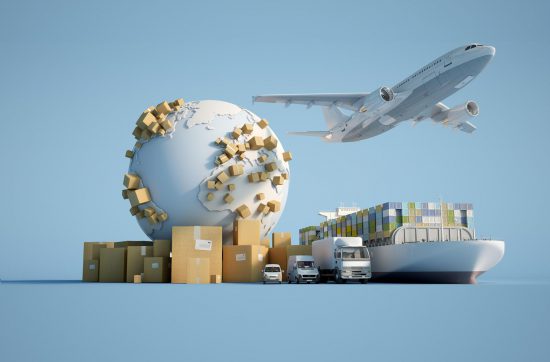
At the same time, modern logistics is no longer confined to domestic trucking alone. Businesses are now integrating multimodal transportation systems that combine road freight with international air freight shipping, sea transport, warehousing, and advanced customs brokerage services to facilitate smooth cross-border trade. This interconnected structure has made global logistics more efficient but also more complex, requiring businesses to adopt strategic freight solutions like FTL to maintain operational stability and cost control.
This article provides a comprehensive and in-depth exploration of FTL freight, including how it works, why it is essential in modern supply chains, how it compares to less than truckload shipping, and how it integrates with broader logistics systems. By understanding these elements in detail, businesses can make more informed decisions and build stronger, more resilient distribution networks.
Section 1: The Core Structure and Importance of FTL Freight in Logistics
To fully understand the significance of ftl freight, it is important to recognize how it functions within the larger logistics ecosystem. Full Truckload shipping refers to a dedicated transportation model in which an entire truck is reserved for a single shipment. This means that all available space within the trailer is allocated to one customer’s cargo, regardless of whether the truck is fully filled or not. This structure eliminates the need for consolidation with other shipments, which is a common practice in shared freight systems.
In practical terms, FTL freight allows cargo to be loaded once at the origin point, sealed securely, and transported directly to its destination without intermediate handling. This significantly reduces the complexity of logistics operations and minimizes exposure to potential risks such as damage, misplacement, or delays. For industries that deal with high-value goods, fragile products, or time-sensitive deliveries, this level of control is extremely valuable.
From a logistical standpoint, FTL freight also plays a major role in improving supply chain predictability. Because the shipment follows a direct route with minimal interruptions, businesses can more accurately estimate delivery times and coordinate downstream operations such as inventory replenishment, retail stocking, or production scheduling. This predictability is one of the key reasons why FTL shipping services are widely adopted across industries such as automotive manufacturing, retail distribution, construction supply chains, and industrial equipment transportation.
Another important aspect of FTL freight is its ability to support high-volume transportation needs efficiently. When a company has enough cargo to fill an entire truck, FTL becomes a cost-effective solution because it eliminates per-unit consolidation fees and reduces the administrative overhead associated with multiple shipments. Even in cases where the truck is not fully loaded, businesses may still choose FTL due to its speed, security, and reliability advantages.
In the broader context of logistics, FTL freight serves as a backbone for domestic and regional distribution networks. It ensures that goods move smoothly between warehouses, ports, manufacturing facilities, and retail centers, maintaining continuity across the supply chain. Without efficient FTL systems, many industries would struggle to maintain the level of responsiveness required in today’s fast-paced market environment.
Section 2: Comparing FTL Shipping Services and Less Than Truckload Models
To fully appreciate the value of FTL shipping services, it is essential to compare them with an alternative transportation method known as less than truckload (LTL) shipping. While both systems are designed to move goods efficiently, they operate on fundamentally different principles and serve different types of shipping needs.
Less than truckload shipping involves combining multiple smaller shipments from different customers into a single truck. Each shipment shares space within the trailer, and costs are distributed based on weight, size, and distance traveled. This model is highly efficient for smaller shipments that do not require an entire truck, making it a popular choice for small and medium-sized businesses.
However, the shared nature of LTL shipping introduces several additional handling points, as cargo must be unloaded, sorted, and reloaded at various terminals along the route. These multiple touchpoints increase the likelihood of delays and potential damage, especially for fragile or high-value goods. In contrast, FTL freight eliminates these intermediate steps by dedicating the entire truck to a single shipment, allowing for uninterrupted movement from origin to destination.
The difference in transit time between FTL and LTL shipping is also significant. Because FTL shipments travel directly without stops, they typically reach their destination much faster than LTL shipments, which may require multiple transfers and sorting processes. This makes FTL the preferred option for time-sensitive deliveries where delays can disrupt business operations or customer commitments.
Cost structure is another important distinction. While LTL is generally more affordable for small shipments, FTL becomes more economical when shipping large volumes of cargo. In many cases, businesses find that once their shipment exceeds a certain size threshold, FTL not only provides better speed and security but also offers more predictable pricing with fewer hidden fees.
From a strategic perspective, logistics managers often use both FTL and LTL services depending on operational requirements. For example, a company may use less than truckload shipping for regional distribution of smaller orders while relying on FTL freight for bulk transfers between major distribution hubs. This hybrid approach allows businesses to balance cost efficiency with performance optimization.
Ultimately, the choice between FTL and LTL is not simply about cost, but about aligning transportation strategy with business priorities such as speed, reliability, cargo sensitivity, and supply chain complexity.
Section 3: Cargo Handling, Efficiency, and Operational Strength of FTL Freight
One of the most defining advantages of ftl freight lies in the way it simplifies cargo handling throughout the transportation process. Because the entire truck is dedicated to a single shipment, goods are typically loaded once at the origin point and remain untouched until they reach their final destination. This significantly reduces handling risks and ensures that cargo remains stable and secure during transit.
The loading process in FTL operations is usually highly organized and structured. Goods are often palletized, systematically arranged within the trailer, and secured using advanced fastening systems such as straps, braces, and locking mechanisms. Once the truck is sealed, it remains closed throughout the journey, providing an additional layer of security and protection against environmental factors and unauthorized access.
From an efficiency perspective, FTL freight offers substantial advantages in terms of operational performance. Since there are no intermediate stops for sorting or redistribution, transportation times are significantly reduced. This allows businesses to maintain leaner inventory systems, reduce warehouse storage costs, and improve overall supply chain responsiveness. Faster transit times also mean that products reach end customers more quickly, which directly contributes to improved customer satisfaction and stronger brand reputation.
Technology has further enhanced the efficiency of logistics operations involving FTL freight. Modern transportation systems now utilize GPS tracking, automated dispatching platforms, real-time route optimization, and digital documentation systems to ensure complete visibility and control over shipments. These tools allow logistics providers to monitor cargo in real time, respond quickly to disruptions, and optimize routes based on traffic conditions, fuel consumption, and delivery schedules.
Safety and risk management are also critical components of FTL freight operations. Because high-value cargo is often transported using this method, logistics providers implement strict safety protocols, including driver training programs, cargo inspections, insurance coverage, and continuous monitoring systems. These measures ensure that goods remain protected throughout the entire journey and that any potential risks are identified and addressed proactively.
In addition, FTL freight contributes positively to environmental efficiency. By maximizing truck utilization and reducing the number of trips required to transport large volumes of cargo, FTL shipping helps lower overall fuel consumption and carbon emissions per unit of goods transported. Many logistics companies are also investing in fuel-efficient fleets and sustainable transportation technologies to further reduce environmental impact.
Section 4: Global Logistics Integration with Air Freight and Customs Systems
In today’s interconnected world, FTL freight is rarely used in isolation. Instead, it forms part of a broader, integrated logistics system that often includes international air freight shipping, ocean freight, warehousing, and customs brokerage services. This multimodal approach enables businesses to move goods efficiently across both domestic and international markets.
For example, a shipment may begin its journey using FTL freight to transport cargo from a manufacturing facility to an international airport or seaport. From there, the goods may be transferred to air freight for rapid international delivery. Upon arrival in the destination country, customs brokerage services ensure that all regulatory requirements, documentation, and duties are properly handled before the cargo is released for final distribution.
Customs brokerage plays a particularly important role in global logistics because it ensures compliance with complex international trade regulations. Customs brokers manage import and export declarations, classify goods according to tariff systems, calculate applicable duties and taxes, and coordinate with border authorities to prevent delays. Without this critical function, international shipments could face significant disruptions, fines, or even seizure.
The integration of FTL freight with international transportation systems creates a seamless end-to-end supply chain that supports global trade. Businesses benefit from faster delivery times, improved coordination between transportation modes, and greater control over their logistics operations. This integration also allows companies to scale their operations more effectively, reaching new markets without sacrificing efficiency or reliability.
However, managing global logistics networks also presents challenges, including regulatory differences between countries, fluctuating transportation costs, infrastructure limitations, and coordination between multiple service providers. Despite these challenges, advancements in logistics technology and the increasing sophistication of supply chain management systems have made it possible for businesses to overcome these barriers and operate on a truly global scale.
Conclusion and Call to Action
FTL freight has established itself as a fundamental component of modern logistics, offering businesses a reliable, efficient, and secure method for transporting large volumes of cargo across both domestic and international routes. Its ability to provide direct transportation, reduce handling risks, and improve delivery speed makes it an essential solution for industries that depend on consistent and high-performance supply chain operations.
When integrated with FTL shipping services, less than truckload alternatives, international air freight shipping, and customs brokerage systems, FTL freight becomes part of a powerful logistics ecosystem capable of supporting complex global trade networks. This integration not only enhances operational efficiency but also enables businesses to scale, adapt, and compete in increasingly demanding markets.
As supply chains continue to evolve, the importance of strategic freight management will only increase. Companies that invest in optimized logistics solutions will gain a significant competitive advantage through faster delivery times, improved cost control, and stronger customer satisfaction.
 Contact
▦●⤢